



















Topographic Vinyl Decal Kit – DIY Topography Lines + Peaks
- Description
- Preparation / Installation
- Care Wash Maintenance
- Reviews
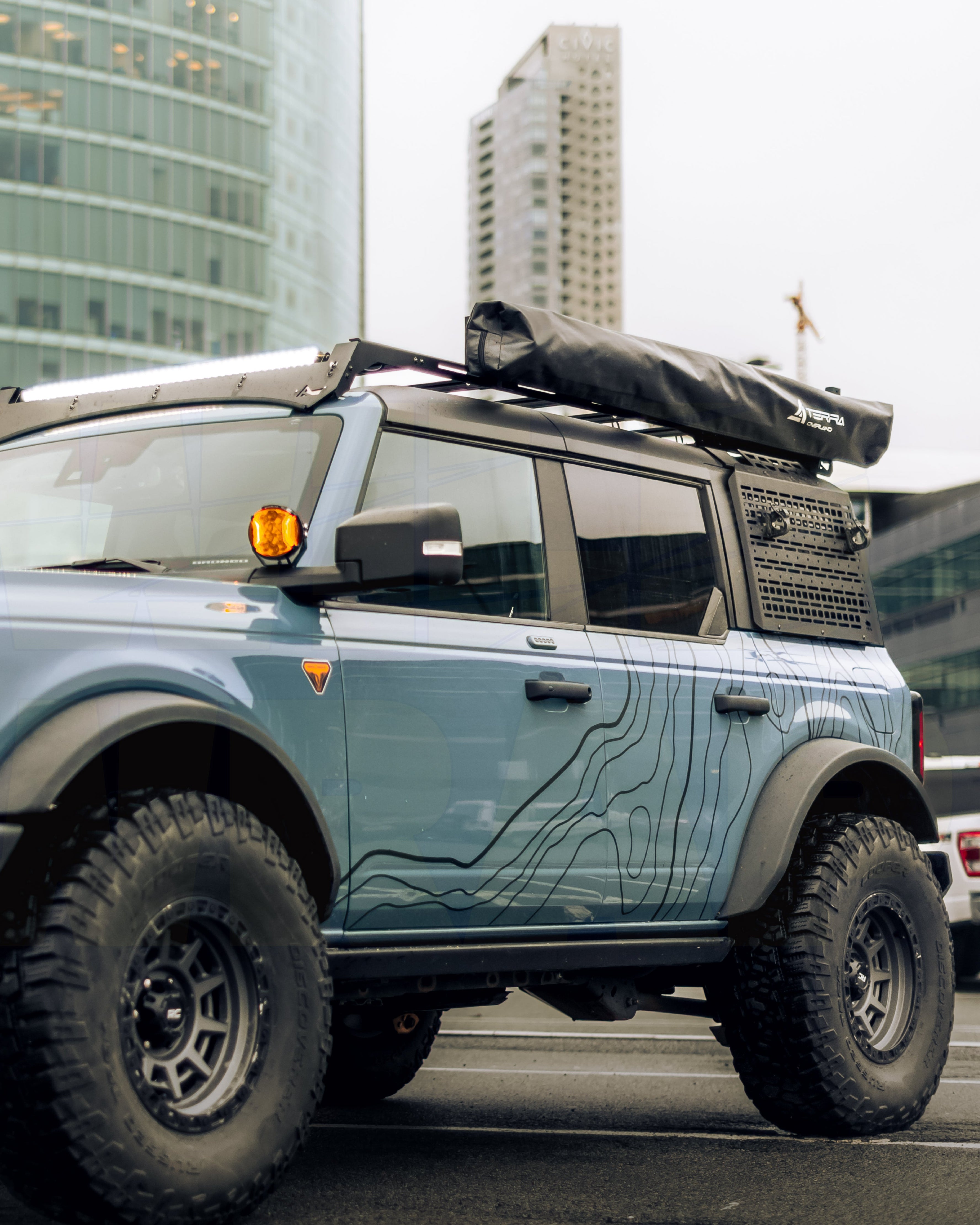
Topographic vinyl decal kit
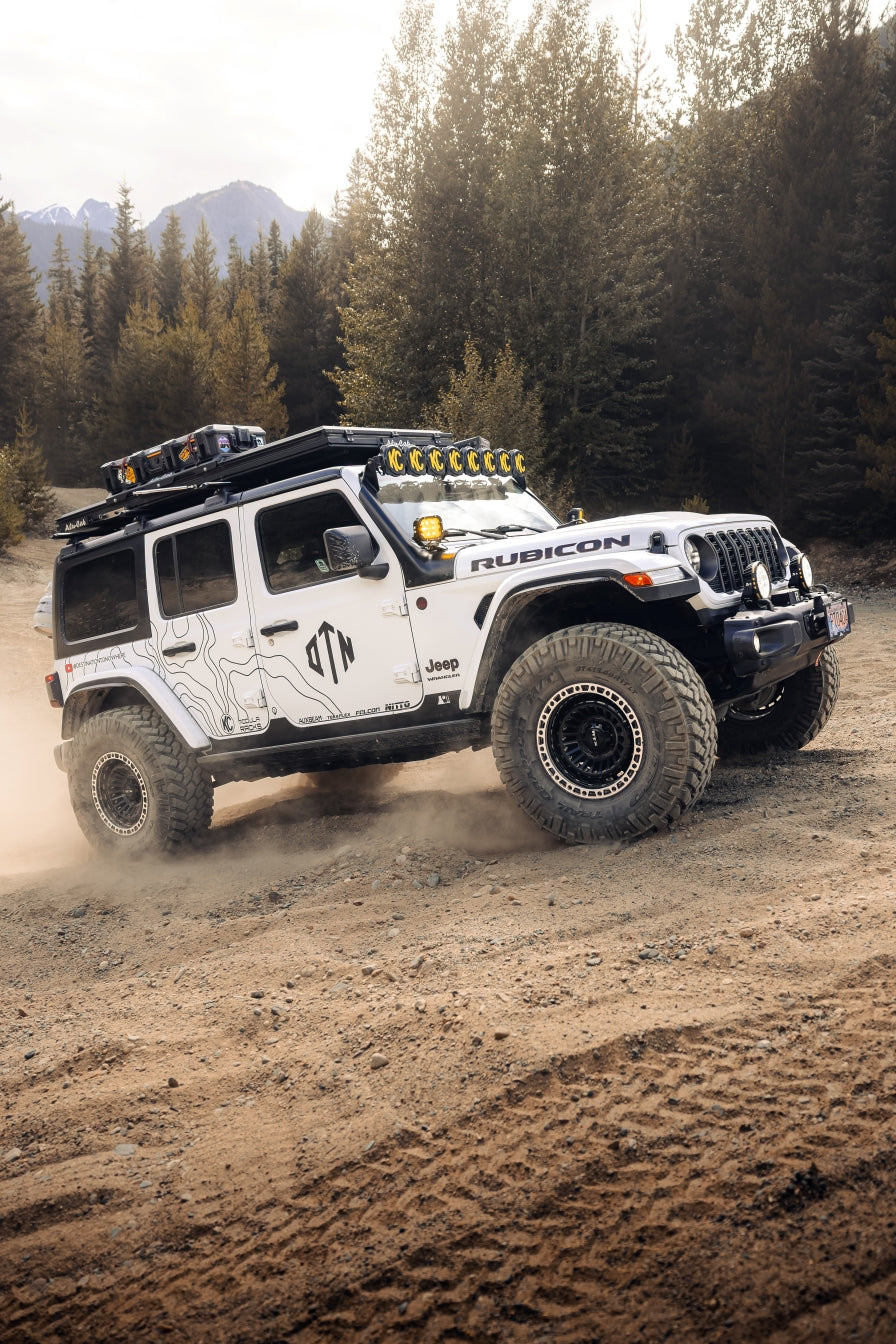
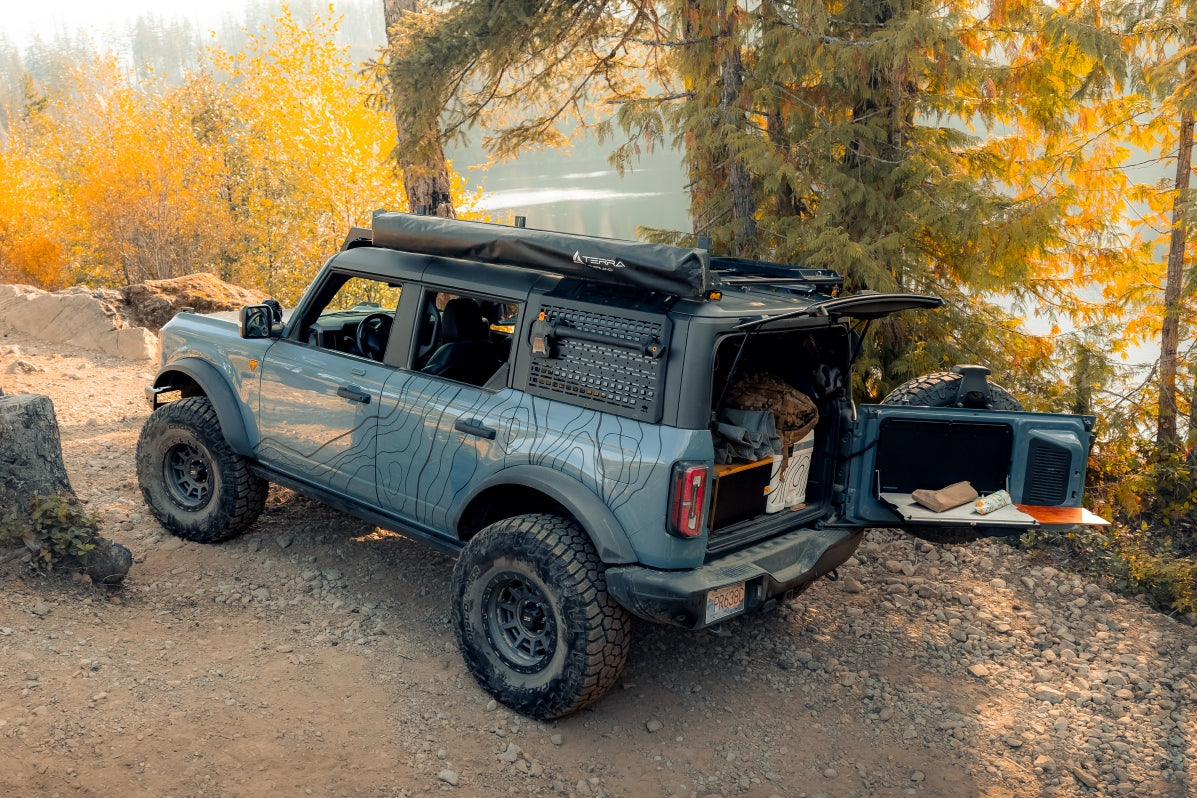
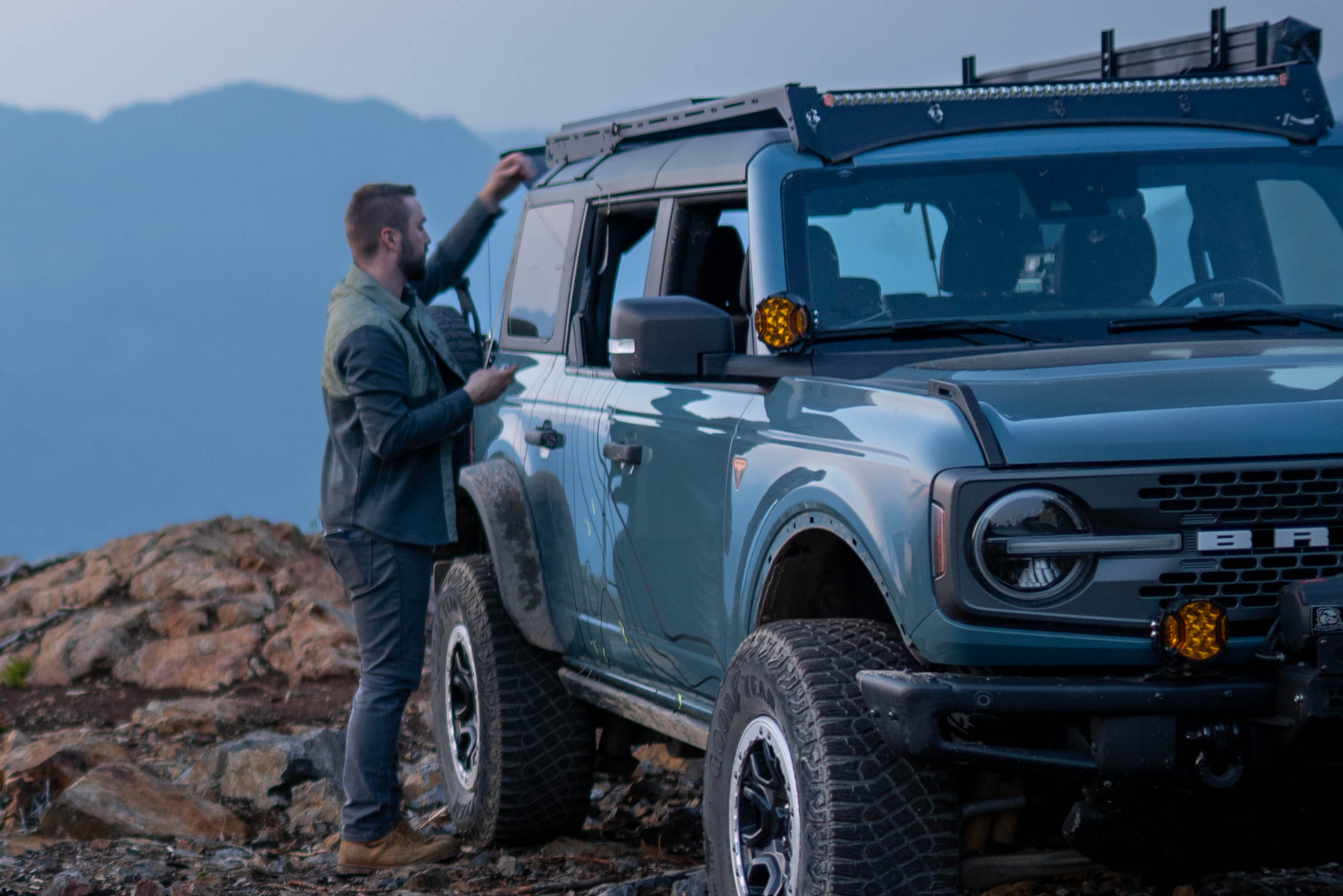
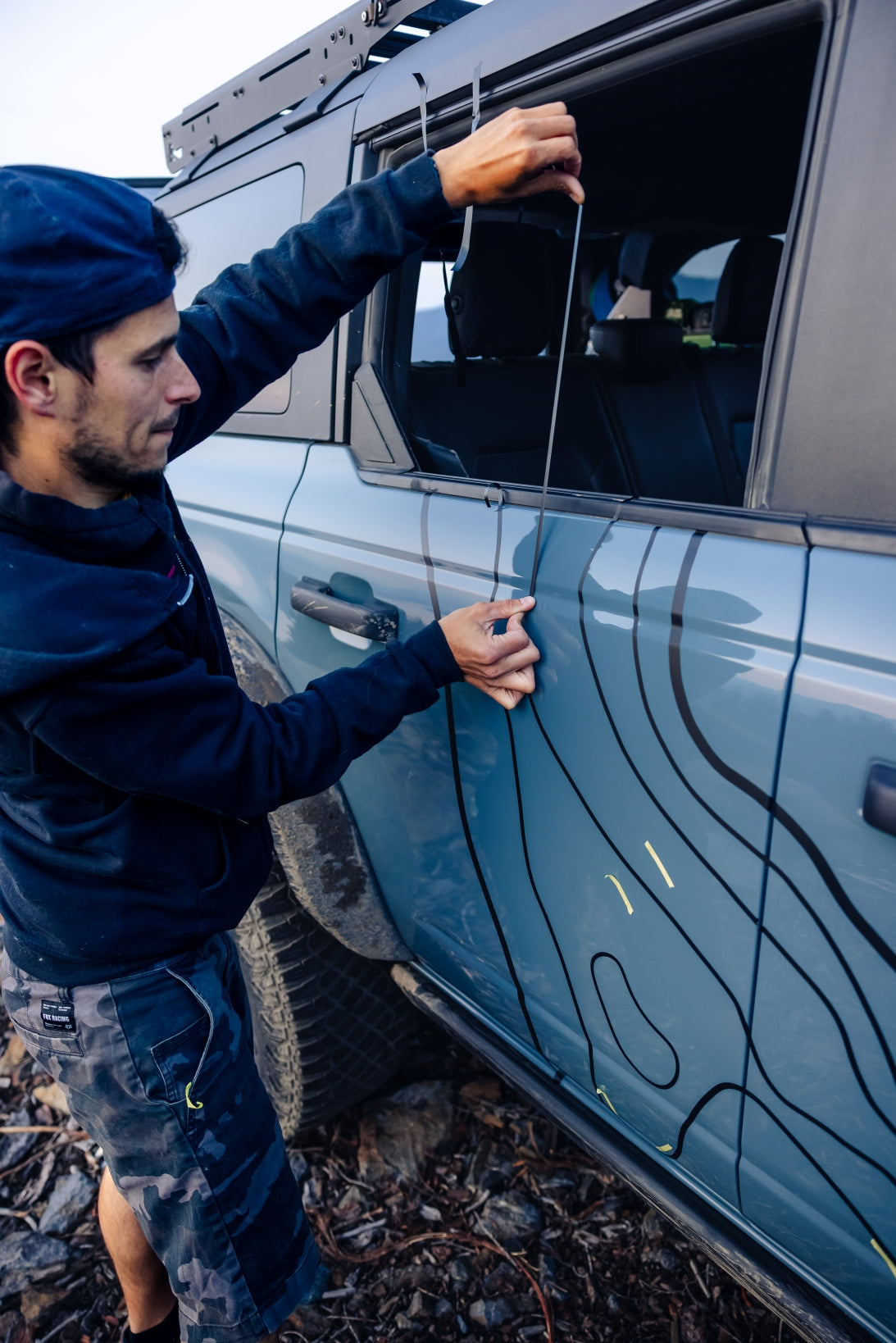
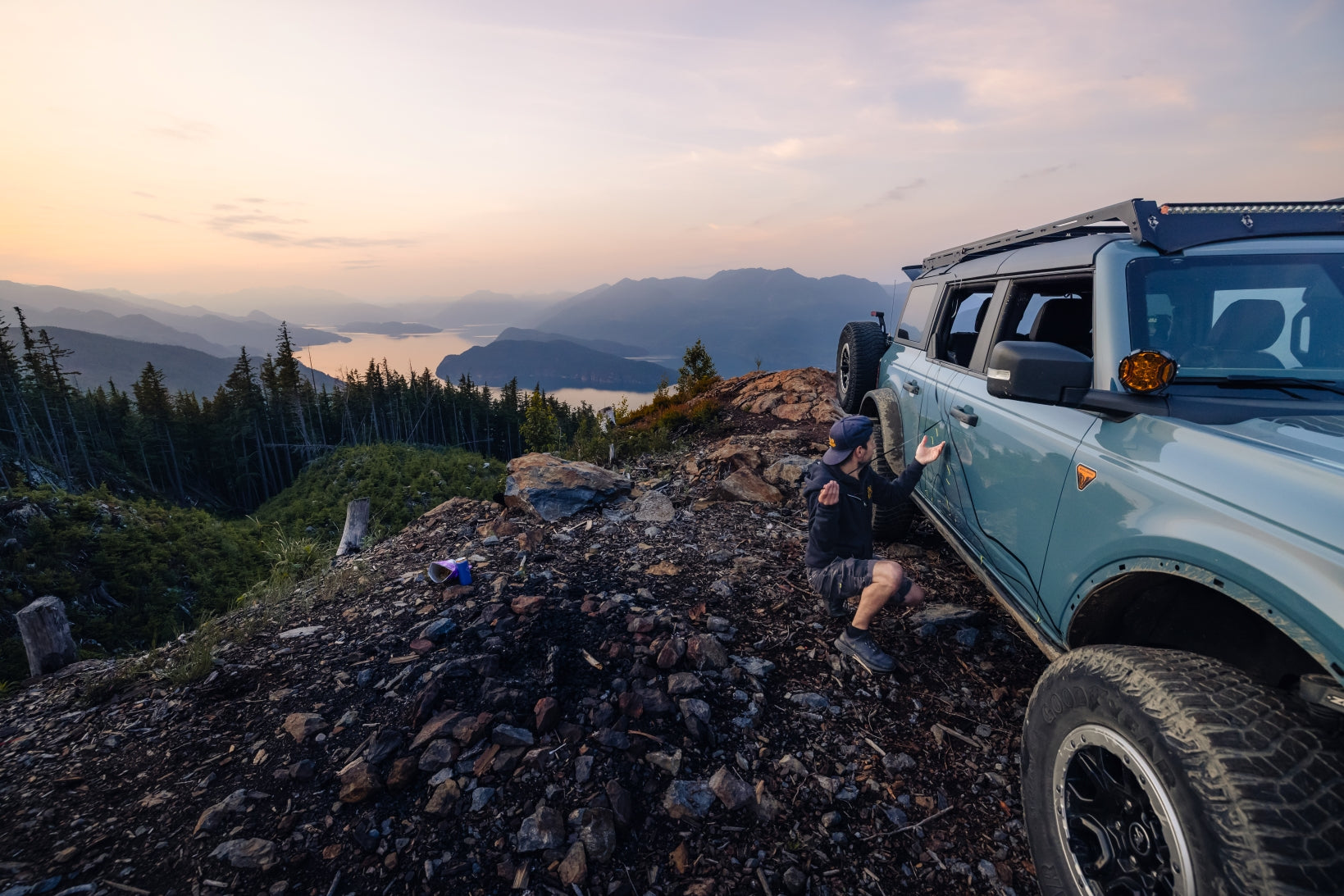
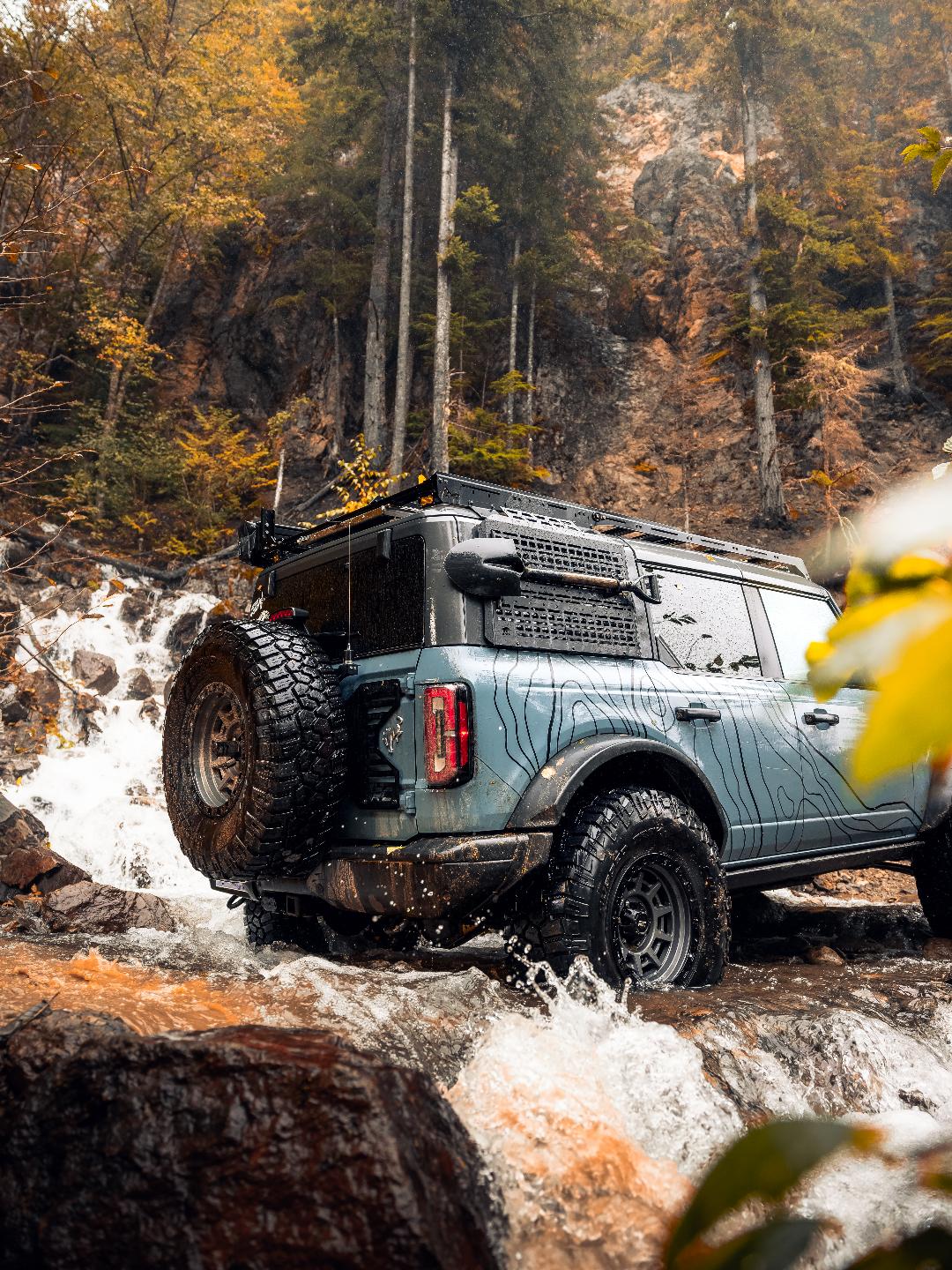
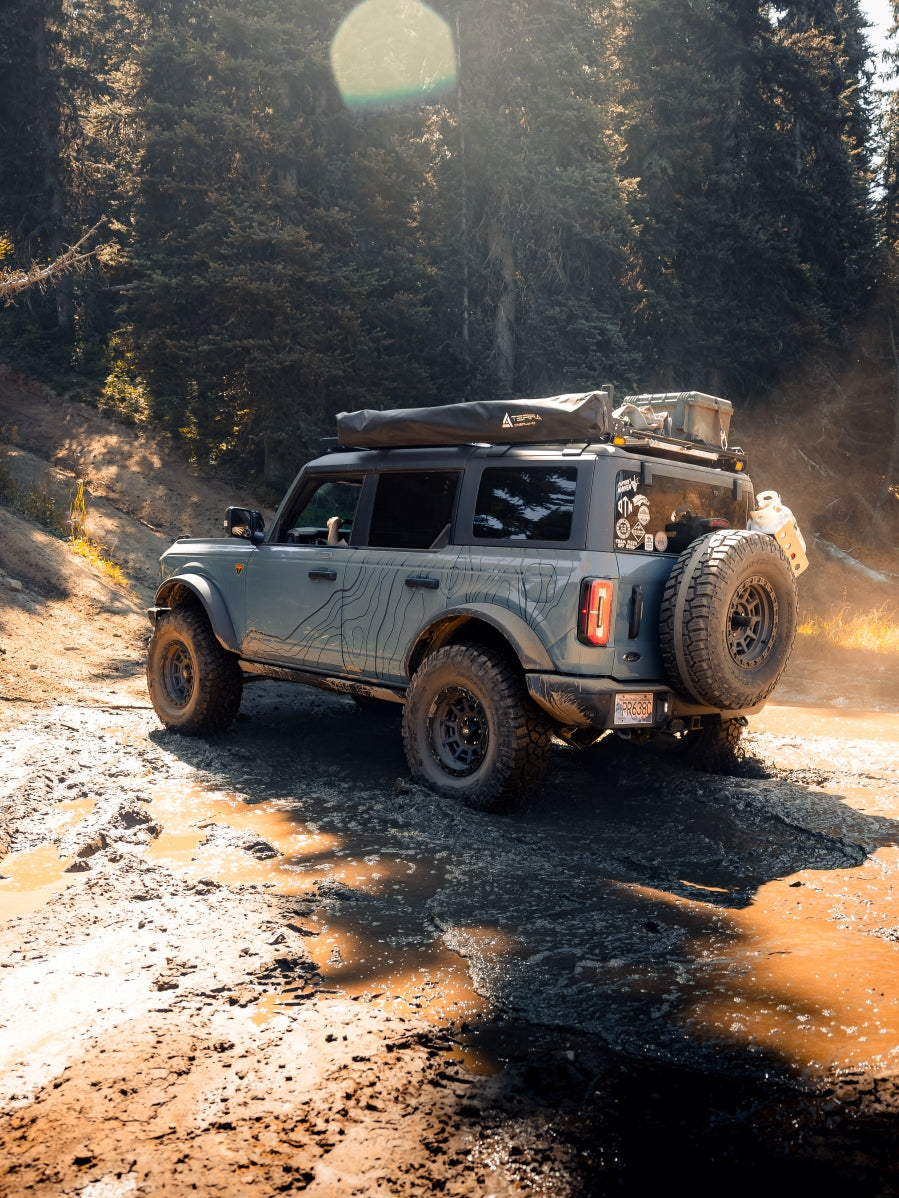
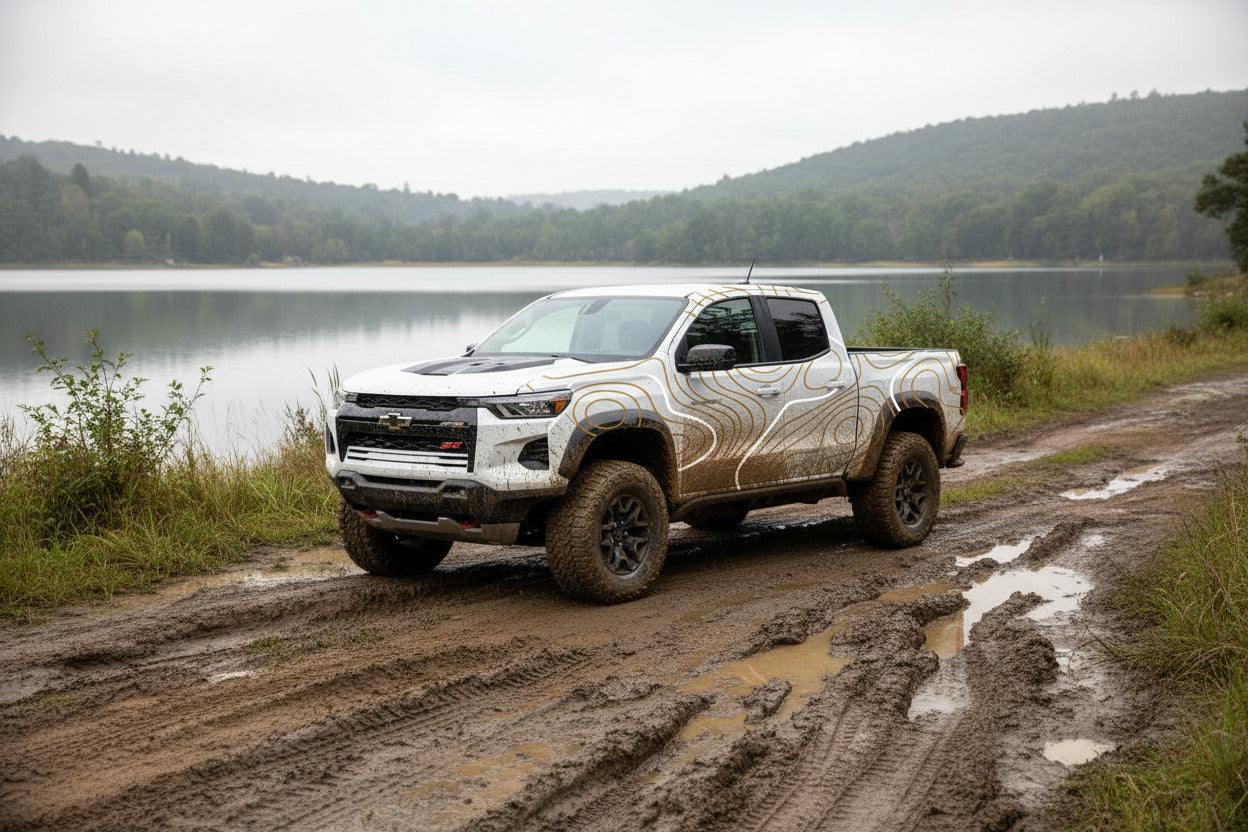
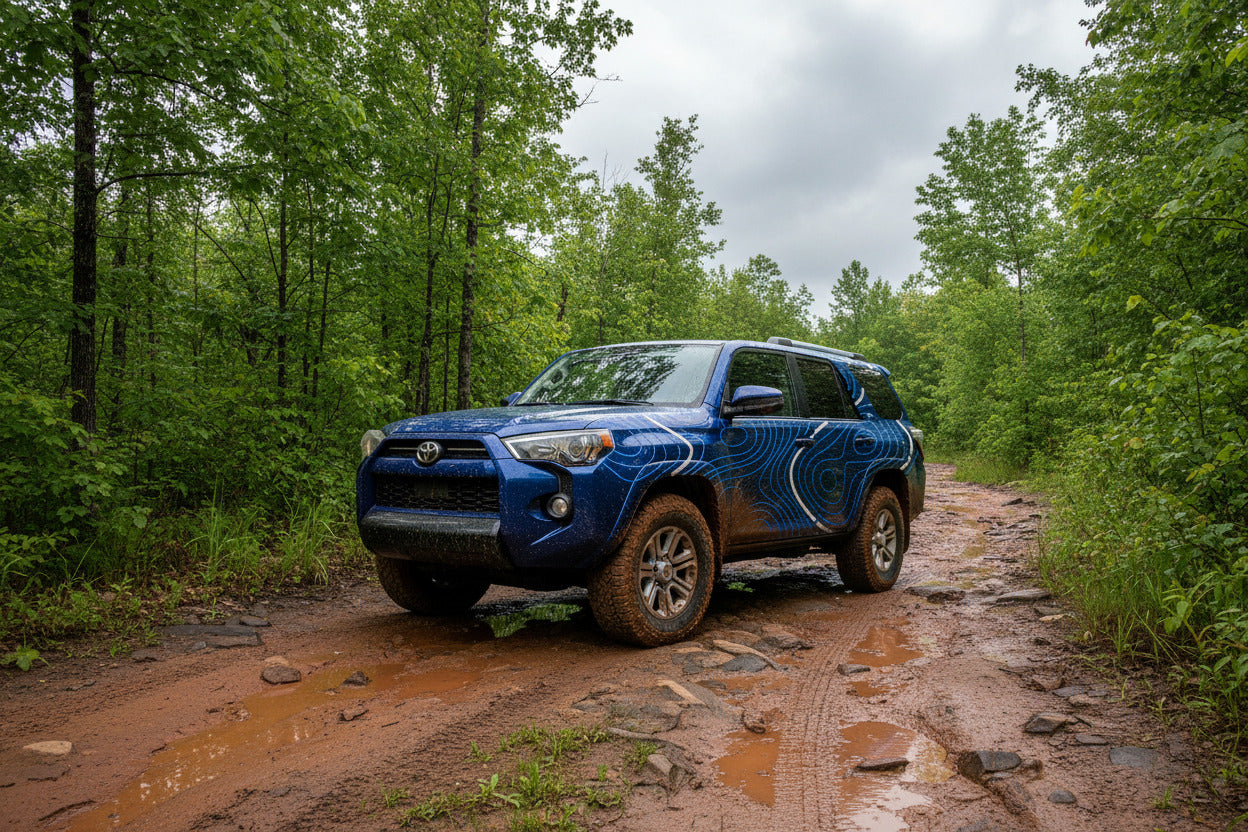
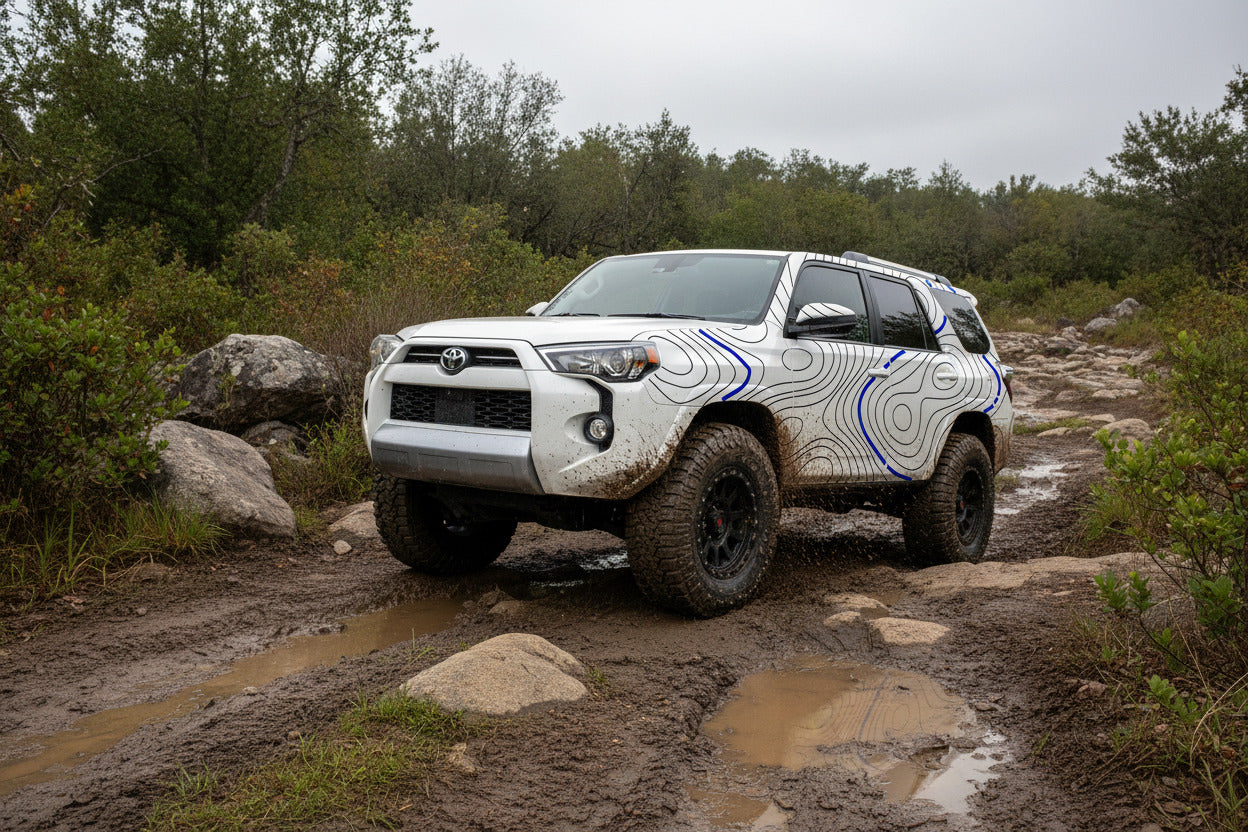
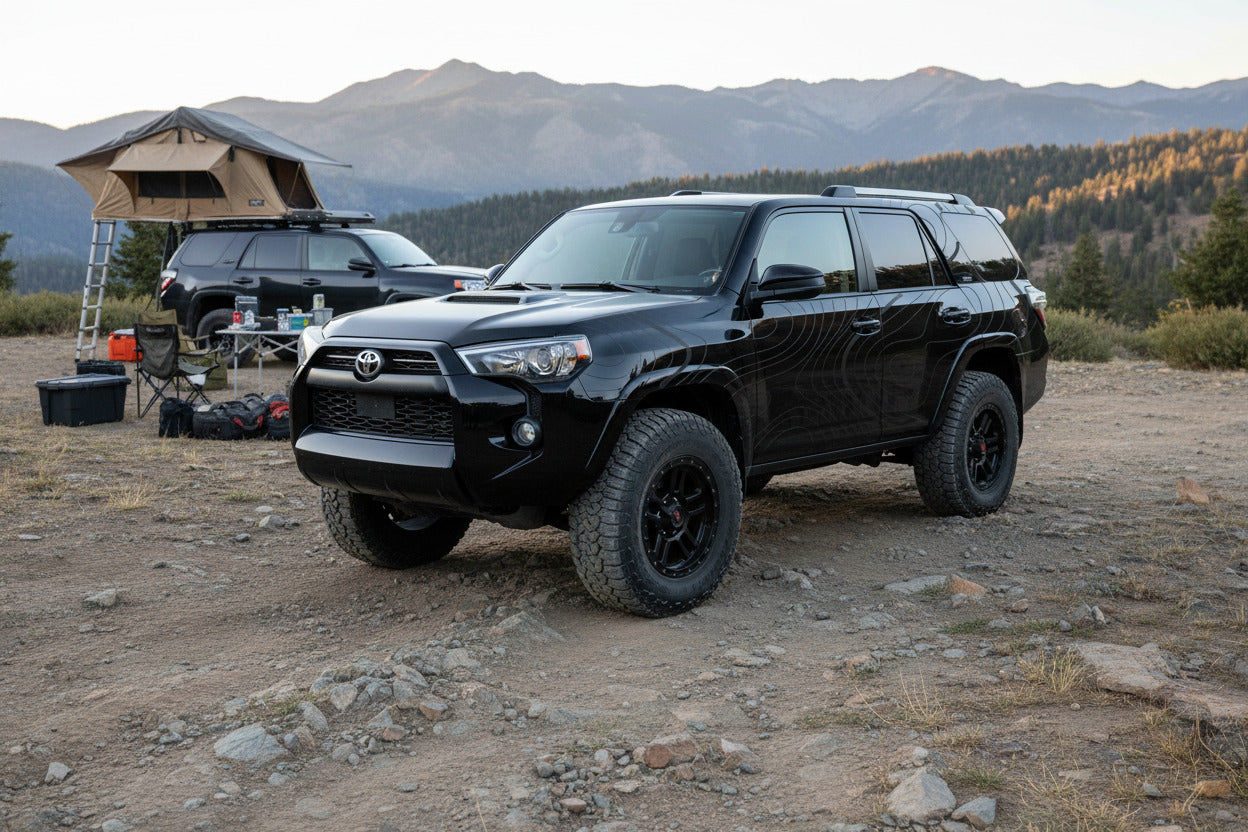
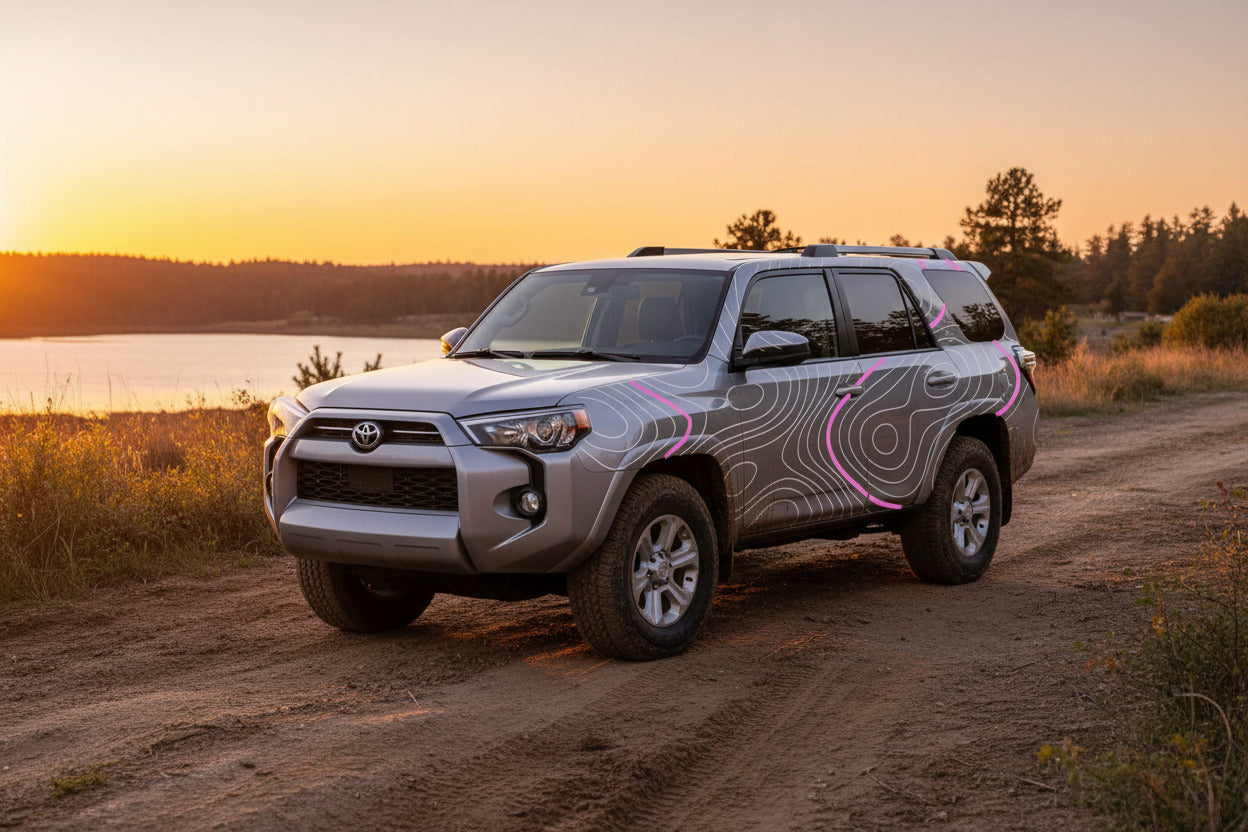
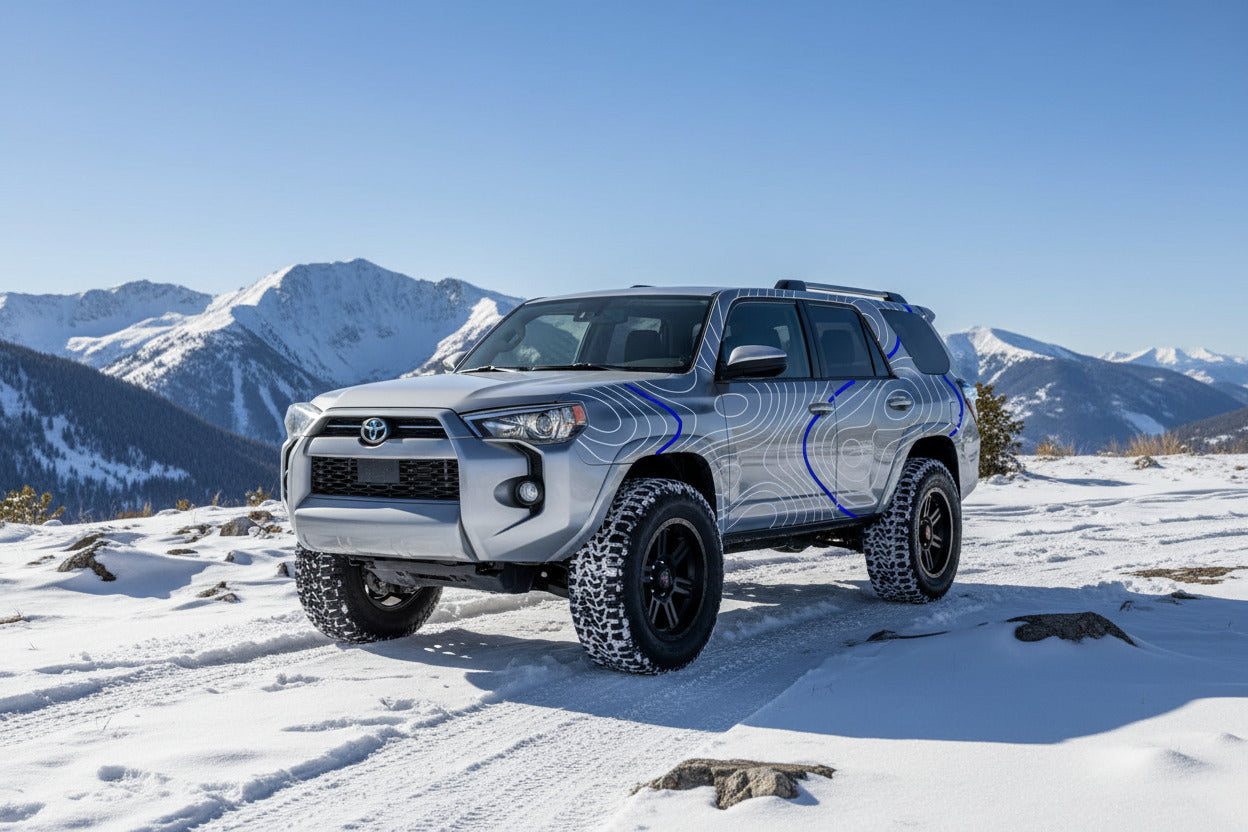
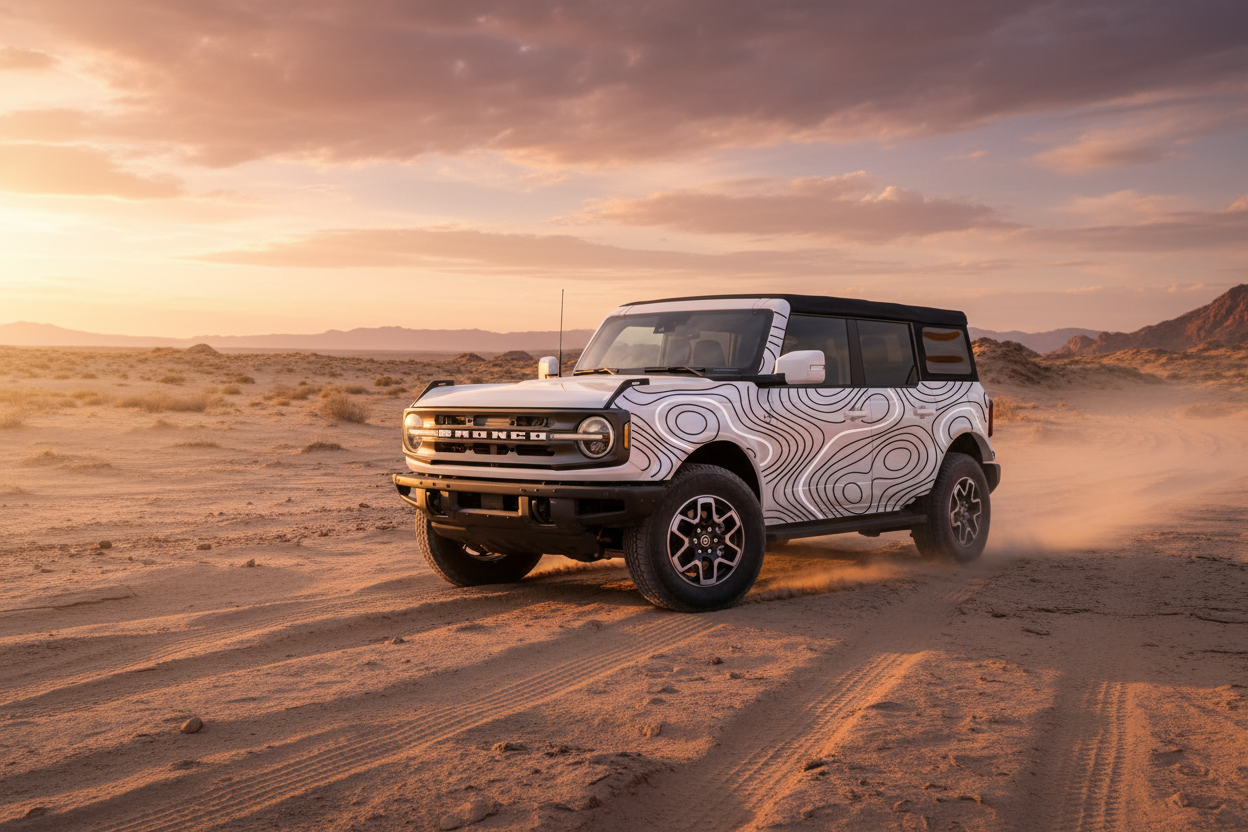
Build a custom topographic vinyl design on your vehicle with a DIY kit of precision-cut contour lines and peak markers. Inspired by elevation maps and off-road terrain, each piece can be placed freely to create a unique topo pattern across your hood, doors, bed sides, quarter panels, or tailgate.
Cut from premium cast vinyl, these decals are made for outdoor use: durable, weather-resistant, and clean to apply at home with a simple layout process. Designed to fit a large truck or SUV with extra pieces so you can customize your spacing, direction, and overall coverage.
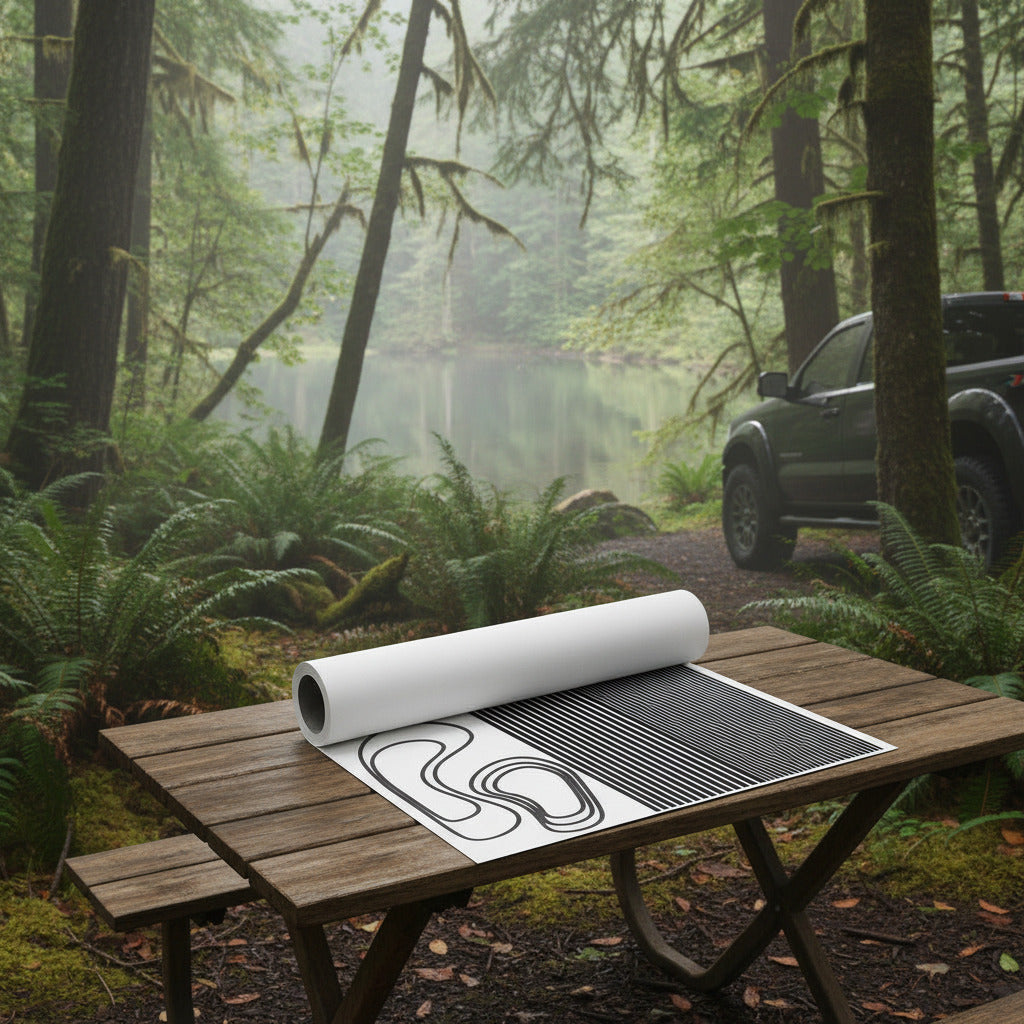
What’s included
-
40 × ¼" contour lines
-
10 × ½" accent lines
-
21 × circles (peak markers and elevation points)
-
Basic install guide + design inspiration sheet
Optional add-on
-
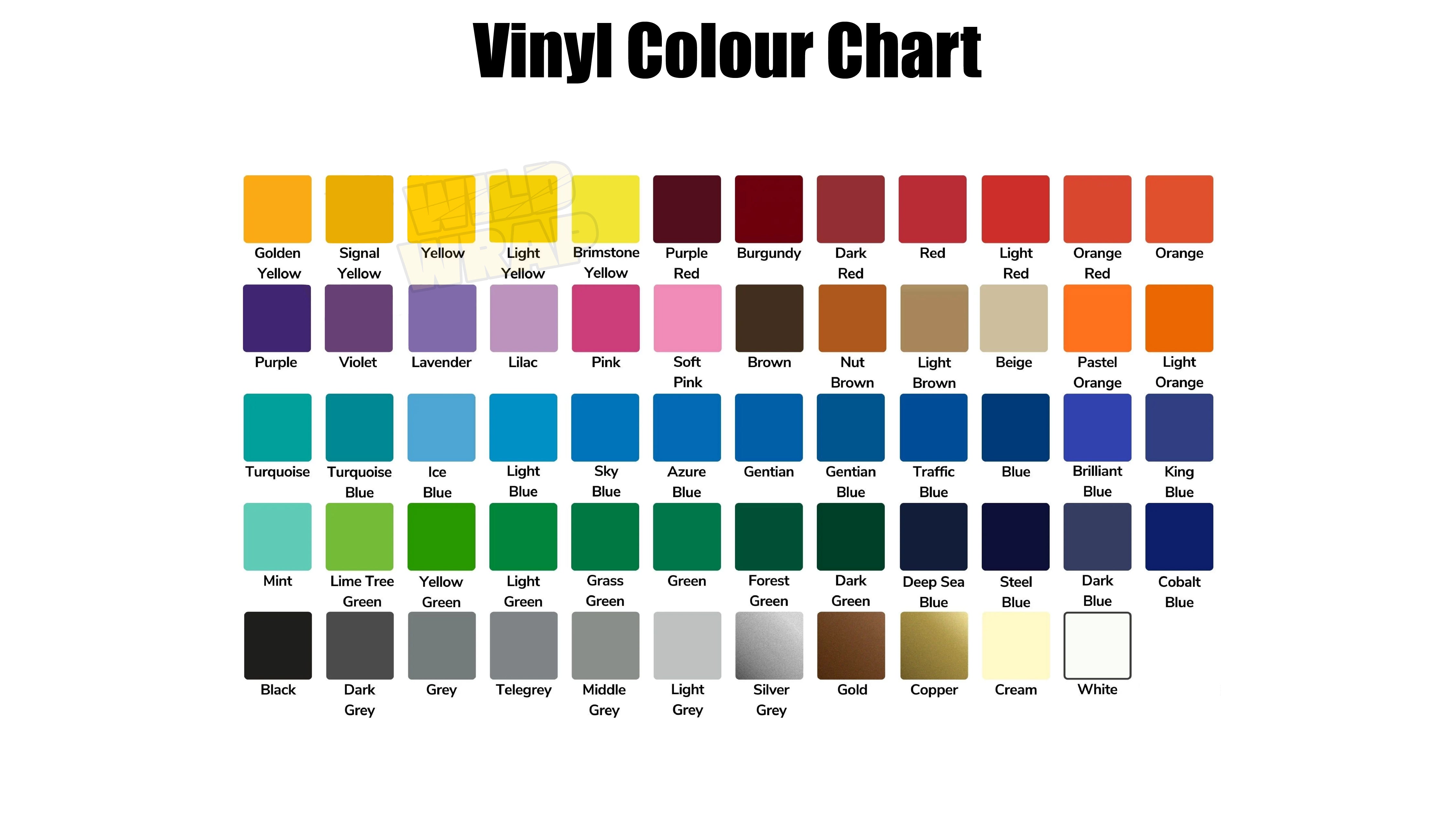
6 × ½" accent color lines (choose your color)
Create your own topo decal map-inspired look and make your rig stand out on the trail, at camp, or in the parking lot.
Preparation / Installation

How to Prepare and Install Your WildWrap PPF kit
Installing your WildWrap paint protection film (PPF) kit is a beginner-friendly DIY project designed to protect the sides of your rig : doors, fenders, flares, and quarter panels (Bed ) from trail scratches, rock chips, and daily wear. With a little patience and the right conditions, you can get clean, professional-looking results right at home.
This guide is designed for first-time installers. Start with the easier panels and work your way up to the more curved areas like fender flares.
⸻
Before You Start: Choose the Right Location
We highly recommend installing your WildWrap kit in a clean, dust-controlled area like a closed garage or an undercover spot protected from wind, dust, and direct sunlight.
PPF is a clear adhesive film. Any dirt or debris during installation can get trapped under the film or contaminate the adhesive, leading to bubbles or poor bonding. A clean environment makes a huge difference in the final result.
⸻
What’s in the Kit:
• Pre-cut WildWrap PPF templates
• Squeegee
• Soap concentrate (for slip solution)
• Microfiber cloth
You’ll Need:
• 2 Clean spray bottle
• Water
• Hair dryer or heat gun on low heat.
• A soft towel
⸻

Step-by-Step Installation
1. Prep the Surface (Yes, Wash Your Crack!)
Start by giving your vehicle a proper wash, focusing on more than just the flat panels. Take extra time to clean around panel gaps, under rubber seals, and inside trim edges, anywhere dust and dirt can hide. Once you start spraying the soapy slip solution, that hidden debris can get dislodged and show up under the film.
Tip: Use a soft, clean detailing brush or paintbrush to gently loosen trapped dirt around seals, door handles, flares, and emblems. Then rinse and dry with a clean microfiber cloth.
Highly Recommended: Clay Bar
For an even smoother finish, run a clay bar over each panel after washing. Just spray some soapy water or detail spray as lubricant and glide the clay across the surface. It picks up fine particles you can’t see or feel, and gives your film the best chance to bond evenly and stay clear without bubbles.
We’ve got your back!
If something goes wrong or a panel gets damaged during install, you can always order a replacement template from us. No stress.
2. Mix the Slip Solution
Fill a spray bottle with water and a few drops of the included soap concentrate, shake well. This lets the film glide into position before sticking.
3. Start with Easy Panels
Begin with the (flat) gas cap door, A-pillars or a flat door panel, these are simple shapes and ideal for getting comfortable with the process.
4. Wet and Position the Film
Spray both the panel and the adhesive side of the film with your slip solution. Carefully place the film and adjust its position using body lines, corners and handles as reference points.
5. Tack and Adjust
Use the squeegee to secure a small tack point to hold the film in place. If needed, gently stretch the film to follow the shape of the panel. WildWrap templates are precisely cut, so only minimal adjustment is required. Templates are design in most cases to stop 3-5mm before edges to avoid lifting and easier installation. It is important not over stretching the panel to stay in that 3-5mm area, to prevent lifting.
6. Squeegee Out Liquid and Air
Work from the center outward to push out the slip solution and air bubbles. Apply even , firm pressure to avoid streaks or trapped moisture. overlap motions by at least 50%. 12 inch motion length
7. Finish Edges
Wrap the film around panel edges and press firmly. If an edge doesn’t stay down, apply light heat (from a hairdryer or heat gun on low) and press until it sets.
8. Work Your Way Up
Move on to other panels. Save the more complex shapes, like flares and curved fenders for last, once you’ve built some confidence.
⸻
Final Notes
• Allow the film to cure for 24–48 hours before washing or hitting the trails.
• Small bubbles or haze will usually disappear as the film dries and settles.
• For best results, keep the vehicle parked indoors or out of the elements during curing.
⸻

Need a Hand?
Check out @wildwrapdiy for video walkthroughs, customer installs, and tips. Or contact us—we’re always here to help!


Important Notice: Paint Condition Before Installing Your WildWrap PPF Kit
At WildWrap, we want every customer to get the best possible results from our DIY paint protection film kits. For that reason, it’s critical that your vehicle’s paint is in good condition before installation.
Do Not Install on Compromised Paint
Our PPF kits are designed to adhere to solid, intact factory paint finishes. Installing WildWrap film over damaged or compromised surfaces can lead to poor adhesion, premature film failure, and potential damage during removal.
Please avoid installing WildWrap on the following:
• Peeling or flaking clear coat
• Faded or oxidized paint
• Resprayed panels that may not have cured properly
• Any area where paint is known to be lifting or bubbling
If You Proceed, It’s at Your Own Risk
If you choose to install WildWrap over compromised paintwork, you do so at your own risk. WildWrap does not accept responsibility for any damage to paint or clear coat caused by applying or removing the film in these situations. This type of installation is not covered by our warranty.
When in Doubt, Don’t Wrap It.
If you’re unsure about the condition of your paint, we recommend consulting a professional detailer or testing a small area first. Your paint is the foundation of our protection, let’s make sure it’s solid before wrapping it up.
Care Wash Maintenance

How to Clean Your Rig After Applying WildWrap
Whether you’re crawling through mud or bushwhacking through brush, your 4x4 is now protected by WildWrap—our self-healing paint protection film (PPF) made for serious off-road use. Now let’s talk about how to clean your rig and keep that protection performing at its best.
This guide is beginner-friendly, even if this is your first time using PPF.
⸻
1. Give It 48 Hours Before Washing
Once WildWrap is applied, let it sit for at least 48 hours before washing. This gives the adhesive time to fully bond and ensures a strong hold—even after rough trail use.
⸻
2. Start With a Rinse
Before touching the paint, rinse off any caked-on mud, grit, or sand using a hose or a pressure washer on a medium or low setting. Work from top to bottom to avoid dragging dirt across the surface.
Pro tip: Avoid spraying high-pressure water directly at the film edges.
⸻
3. Use a Mild Soap + Soft Mitt
Go with a pH-balanced car wash soap and a soft microfiber mitt or sponge. Fill a bucket with soapy water and gently wash the surface using straight-line motions—not circles.
This helps avoid micro-scratches and swirl marks, even though WildWrap’s self-healing film can smooth out light damage over time.
⸻
4. Tackle Trail Gunk Like a Pro
Nature can leave some nasty stuff behind. Here’s how to deal with the most common offenders:
• Bird poop: Rinse it off ASAP. If it’s dried, soak a microfiber cloth in warm, soapy water, place it on the spot for a few minutes, then gently wipe.
• Bug splatter: Same method—soak and wipe, don’t scrub.
• Tree sap: Use warm water and gentle pressure. If it doesn’t come off, wrap your finger in a microfiber towel and slowly work the spot in small motions.
Avoid harsh chemicals or scrubbing pads. They can dull the film or weaken the adhesive.
⸻
5. Rinse & Dry
Once you’re done washing, rinse thoroughly with clean water, then dry using a clean microfiber towel. Pat dry instead of rubbing to avoid unnecessary wear.
⸻
6. Let the Film Heal Itself
WildWrap is self-healing—that means light surface marks and fine scratches from trail brushes or washing can disappear over time, especially with a bit of sun or warm water.
If you notice light swirls or haze, pour warm (not hot) water over the area or leave the vehicle in the sun for a bit. The heat activates the self-healing layer.
⸻
7. Skip Waxes & Sealants (for now)
Some products can interfere with WildWrap’s self-healing and finish. For now, avoid waxes, ceramic sprays, or tire shine overspray on the film until we offer approved care products.
⸻
Coming Soon: WildWrap Cleaning Kit
We’re working on a full WildWrap Cleaning & Care Kit designed specifically for off-road PPF. It’ll include a gentle soap, soft microfiber cloths, and everything you need to clean and maintain your film safely.
Stay tuned—it’s coming soon!
⸻
Quick Cleaning Tips at a Glance:
• Rinse before washing
• Use pH-neutral soap + microfiber mitt
• Spot-clean bird poop, bugs, and sap ASAP
• Let sun or warm water heal light swirls
• Avoid automatic car washes with brushes
Recently Viewed
You might also like
Customer Reviews

4Runner 3rd gen Limited
I believe I’m one of the first to get the wild wrap on my 99 4Runner and boy has it revitalized the truck.
I did a 3 step paint correction before applying the wrap. Fitment is
perfect, doesn’t hit the tuck, as it’s designed for beginners. Overall
really happy with the product and the man behind it.
I hope to see an option for the hood in the near future!

2006 GX470
PPF detail shop installed the kit for me, turned out great! Shop said
the kit was easy to work with. Looks nice and the fitment is good.

Defender 110 (1991-2006)
Thank you Florian at Wild Wrap, your product is amazing and I will recommend it to everyone I know. Easy process, great price... My baby is now protected!

Tailgate - Tacoma 4th Gen
Having the tailgate protected so I can
install a tailgate pad for mountain bikes is huge. I don't have to worry
about the pad causing paint damage over time, or if I back into some
branches, the back end is protected. The fitment is great too!

Screen PPF kit - Tacoma 4th Gen
The plastic used on the dash cluster is basically as soft as butter. Installing this kit should be an enforced law.

Long bed - Tacoma 4th Gen
I went with the full side coverage, along
with the tailgate and interior screen protection. Now when I take the
truck on adventures, I don't have to worry about the overgrown
backroads, or the inevitable mysterious parking lot scratches. The
coverage is perfect. This wrap was a no brainer for peace of mind
without breaking the bank.